
Your Complete Guide to
Relocating to the Cayman Islands
Moving to paradise is easier than you think. Our team at KW Cayman doesn't just help you find a home — we connect you with the best lawyers, accountants, tax specialists, schools, and healthcare providers to make your transition seamless.
Income Tax
Capital Gains Tax
Property Tax
Caribbean Financial Centre


Why People Choose
the Cayman Islands
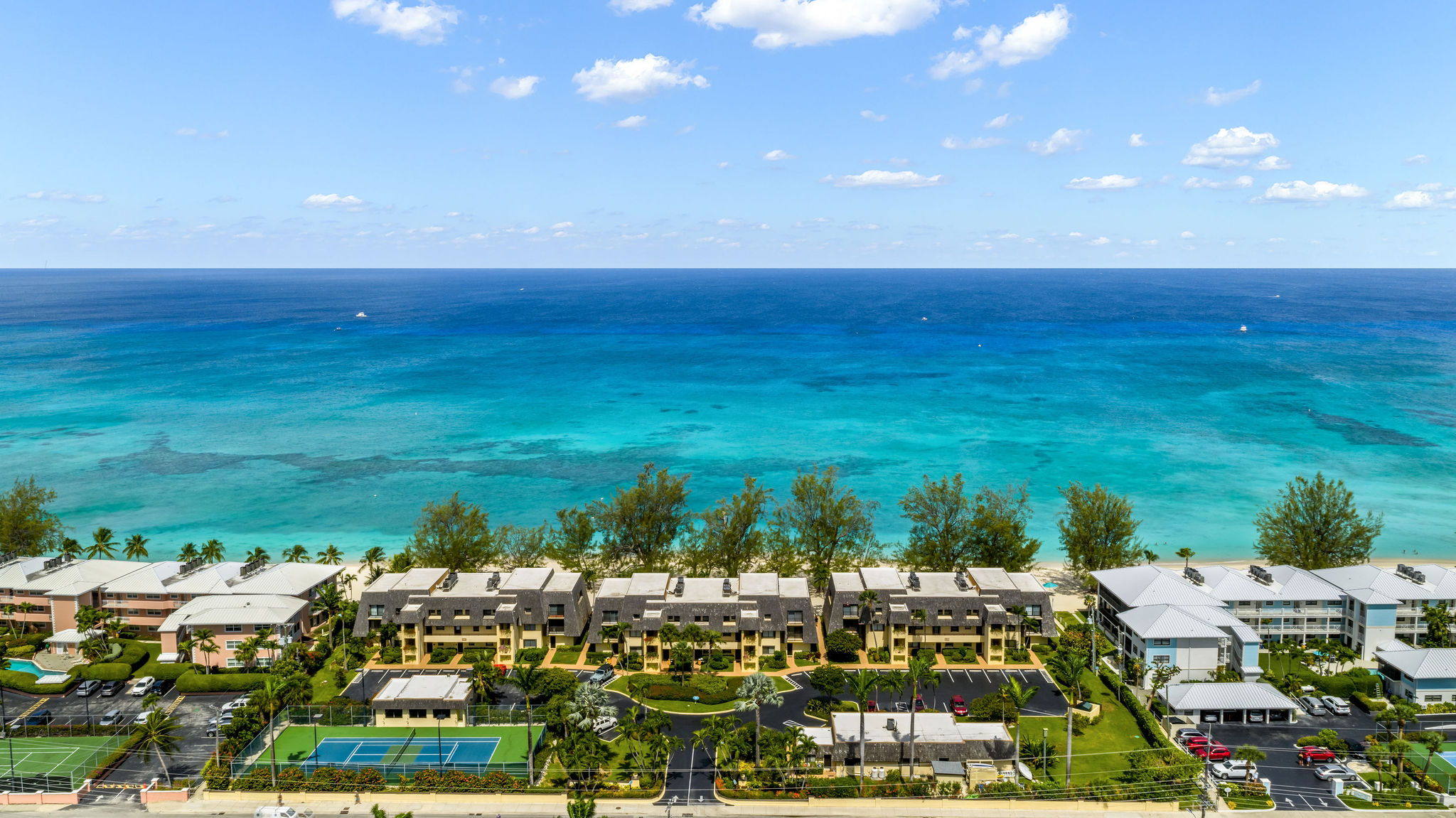
The Cayman Islands consistently ranks among the world's most desirable places to live. A British Overseas Territory with a stable democracy, English-speaking population, world-class infrastructure, and one of the lowest crime rates in the Caribbean.
With zero income tax, zero capital gains tax, and no property tax, the Cayman Islands offers a tax-neutral environment that attracts professionals, entrepreneurs, and retirees from around the globe. Add pristine beaches, excellent schools, and a thriving international community — and it's easy to see the appeal.
Year-Round Sunshine
80°F / 27°C average, 300+ sunny days
Safety & Stability
Low crime, British legal system
130+ Nationalities
A truly global community
World-Class Infrastructure
Hospitals, schools, fibre internet
How Our Team Helps With Your
Relocation
At KW Cayman, we don't just help you find a home. Our agents and their trusted network of professionals guide you through every aspect of your move to Cayman.
Initial Consultation
We learn about your needs — family size, work situation, lifestyle preferences, budget, and timeline. Every relocation is unique.
Legal & Immigration
Our network of immigration lawyers helps with work permits, residency certificates, and permanent residence applications.
Financial Planning
We connect you with Cayman-based accountants and tax specialists to structure your move for maximum advantage.
Find Your Home
Whether buying or renting, our agents know every neighbourhood. We match you with the perfect property from 1,000+ listings.
Schools & Healthcare
We advise on the best schools for your children and connect you with healthcare providers and insurance.
Settle In
From setting up utilities to joining community groups, we make sure you feel at home from day one.
Relocation Guides
Everything you need to know about making the Cayman Islands your new home.
Visas & Work Permits
Work permits, residency certificates, permanent residence — all your immigration options explained.
Read GuideCost of Living
Monthly expenses, rent, groceries, utilities, healthcare — what to budget for life in paradise.
Read GuideBuying Property
No restrictions on foreign ownership, stamp duty rates, the buying process, and how we help.
Read GuideSchools & Education
Public and private schools, international curricula, enrollment process, and tuition costs.
Read GuideHealthcare
Hospitals, clinics, health insurance requirements, and what to expect from Cayman healthcare.
Read GuideNeighbourhoods
From Seven Mile Beach to East End — find the area that fits your lifestyle and budget.
Read GuideLegal & Tax
Zero income tax, no capital gains, stamp duty — plus our network of lawyers and accountants.
Read GuideMoving & Shipping
Shipping your belongings, customs clearance, import duty, and bringing pets to Cayman.
Read GuideResidency Options
Several pathways to make the Cayman Islands your permanent home.
Work Permit
Employer-sponsored. Most common pathway for expatriates. Spouses can also obtain work permits.
Residency Certificate (Persons of Independent Means)
Requires CI$1,000,000+ investment in real estate and proof of annual income of CI$120,000+ without needing to work.
Certificate of Direct Investment
For those making a substantial direct investment in a local business generating employment for Caymanians.
Permanent Residence
Points-based system (110 points required) across 9 categories including occupation, education, investments, and community integration.
Immigration requirements can change. We connect you with qualified immigration lawyers for personalized guidance.
Frequently Asked Questions
Can foreigners buy property in the Cayman Islands?
Yes. There are no restrictions on foreign ownership of real estate in the Cayman Islands for personal use. There are no annual property taxes or capital gains taxes. The main cost is stamp duty at 7.5% of the purchase price (10% for properties over CI$2 million since January 2026).
What is the cost of living in the Cayman Islands?
The Cayman Islands has a high cost of living. A couple without children can expect monthly expenses of approximately $5,000–$7,000 KYD excluding rent. A family of four might spend $8,000–$12,000 KYD monthly. Rent for a 2-bedroom apartment ranges from $2,000–$4,000 KYD per month depending on location.
Are there taxes in the Cayman Islands?
The Cayman Islands has no income tax, no capital gains tax, no property tax, no inheritance tax, and no corporate tax. Revenue is generated primarily through import duties, work permit fees, and stamp duty on property transactions.
How do I get a work permit for the Cayman Islands?
Work permits are typically obtained by your employer. They must demonstrate that no qualified Caymanian is available for the position. Permits are usually valid for 1–3 years and can be renewed. Spouses of work permit holders may also apply for their own work permit.
What are the residency options in the Cayman Islands?
Options include: Work Permits (employer-sponsored), Residency Certificate for Persons of Independent Means (requires CI$1M+ investment in real estate), Permanent Residence (after 8+ years of legal residency via a points system), and the Certificate of Direct Investment.
What schools are available in the Cayman Islands?
The Cayman Islands has both public and private schools. Top private schools include Cayman International School (CIS), Cayman Prep and High School, and St. Ignatius Catholic School. Most follow British, American, or International Baccalaureate curricula.
What is healthcare like in the Cayman Islands?
Healthcare is of a high standard. The Health Services Authority operates a public hospital on Grand Cayman. There are also private clinics and specialists. Health insurance is mandatory for all residents — employers must provide coverage for work permit holders.
How long can I stay in the Cayman Islands as a visitor?
Visitors can stay up to 6 months. Nationals of the USA, Canada, UK, and most Commonwealth countries do not require a visa. Some nationalities (Jamaica, Honduras, Philippines) do require a visa.
Ready to Make
Cayman Home?
Our agents have the knowledge, resources, and trusted network to guide you through every aspect of relocating. From your first enquiry to handing you the keys, we're with you every step.